HMO Bathroom Requirements: Ratios, Sizes & Regulations
Complete guide to HMO bathroom requirements in the UK. Covers tenant-to-bathroom ratios, minimum sizes, en-suite regulations, and local authority standards.
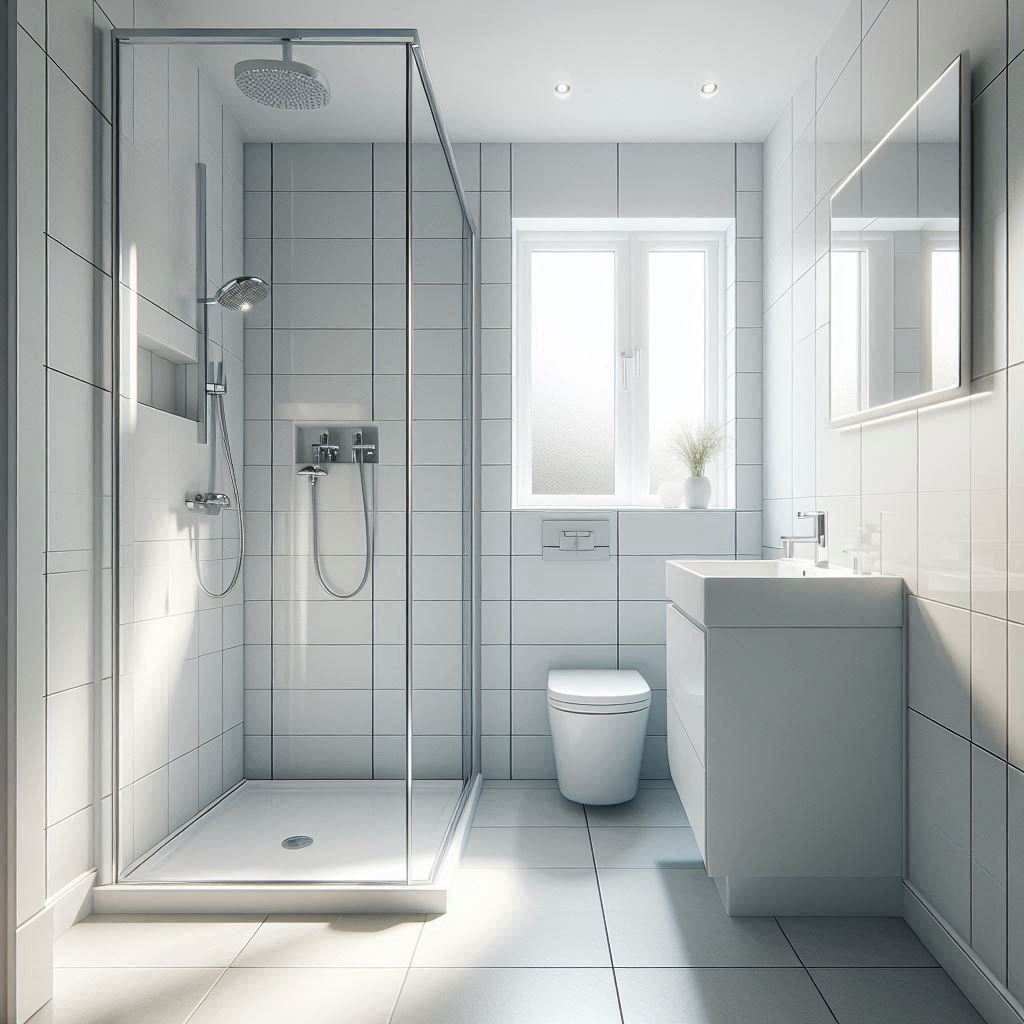
Bathroom provision makes or breaks an HMO conversion. Install too few and the council refuses your licence. Install too many and you've sacrificed lettable bedroom space for facilities nobody needs.
This guide covers the ratios, sizes, and regulations you need to understand before planning your HMO bathroom layout.
Quick Navigation
- Bathroom-to-Tenant Ratios
- Separate WC Requirements
- Minimum Bathroom Sizes
- En-Suite Considerations
- Shared Bathroom Standards
- Local Authority Variations
- Ventilation and Drainage
- Building Regulations
- Bathroom Planning Checklist
Bathroom-to-Tenant Ratios
Most councils require a minimum ratio of bathrooms to tenants. While there's no single national standard, common requirements have emerged.
The Standard Ratios
| Occupants | Bathroom Requirement |
|---|---|
| 1-4 people | 1 bathroom minimum |
| 5 people | 1 bathroom + separate WC, OR 2 bathrooms |
| 6-10 people | 2 bathrooms minimum |
| 11+ people | Additional facilities required |
These are typical minimums. Your local authority may have stricter requirements.
What Counts as a "Bathroom"?
For ratio purposes, a bathroom typically means a room containing:
- A bath or shower
- A wash hand basin
- Adequate ventilation
A WC-only room (toilet and basin) doesn't count as a bathroom for ratio calculations, though it contributes to overall amenity provision.
Calculating Your Requirement
Count people, not bedrooms. A 5-bedroom HMO with couples in two rooms could house 7 people—requiring different bathroom provision than a 5-bedroom HMO with 5 singles.
Your licence will specify maximum occupancy. Calculate bathroom requirements based on this maximum, not current occupancy.
Example: You're converting a property to a 6-bed HMO. If all rooms are singles, you need facilities for 6 people (2 bathrooms). If two rooms could accommodate couples, you might need facilities for 8 people (still typically 2 bathrooms, but check local standards).
The 1:5 vs 1:4 Debate
Some councils apply a 1:5 ratio (one bathroom per 5 tenants), while others use 1:4. The trend is toward stricter standards:
- 1:5 ratio: One bathroom serves up to 5 people
- 1:4 ratio: One bathroom serves up to 4 people
Our take: Design for 1:4 even if your council accepts 1:5. It future-proofs against standard changes and improves tenant satisfaction.
Separate WC Requirements
Once your HMO reaches 5 occupants, most councils require toilet facilities separate from the main bathroom.
Why Separate WCs Matter
The logic is practical. In a busy HMO:
- Multiple people need toilet access in the morning
- Someone showering shouldn't block toilet access for everyone else
- Separate WCs reduce peak-time conflict
What "Separate WC" Means
A separate WC is a room containing:
- A toilet (WC)
- A wash hand basin
- Separate from any bathroom
It doesn't need a shower or bath. Its purpose is to provide toilet access independent of the bathroom.
When You Need a Separate WC
| Occupants | Typical Requirement |
|---|---|
| 1-4 people | No separate WC required |
| 5+ people | Separate WC required (or second full bathroom) |
| 6-10 people | May need multiple WCs depending on bathroom configuration |
Alternatives to Separate WCs
Some councils accept alternatives to a dedicated separate WC:
- Two full bathrooms: If you have two bathrooms, each with a toilet, a separate WC may not be required
- En-suites: Rooms with en-suites reduce demand on shared facilities
Always verify with your council. Don't assume alternatives are acceptable.
Minimum Bathroom Sizes
Bathrooms must be large enough for practical use. While regulations don't specify exact minimum sizes, functional requirements effectively set minimums.
Practical Minimum Sizes
| Room Type | Practical Minimum | Comfortable Size |
|---|---|---|
| Full bathroom (bath, basin, WC) | 3.5-4m² | 5-6m² |
| Shower room (shower, basin, WC) | 2.5-3m² | 3.5-4m² |
| En-suite (shower, basin, WC) | 2-2.5m² | 3-3.5m² |
| Separate WC (toilet, basin) | 1.2-1.5m² | 1.8-2m² |
What Affects Bathroom Size Requirements
Door swing: The door must open fully without hitting fixtures. Outward-opening doors or sliding doors save space.
Fixture clearances: Building regulations require minimum clearances:
- 600mm clear space in front of WC
- 700mm clear space to enter shower
- Adequate space to use basin
Wheelchair accessibility: If required, accessible bathrooms need significantly more space (typically 2.5m x 2.2m minimum).
Ceiling Height Considerations
In loft conversions or rooms with sloped ceilings:
- Fixtures must be positioned where users can stand upright
- Showers need adequate headroom throughout the enclosure
- WCs need clearance for standing users
Common mistake: Positioning a shower under an eave where users hit their head on the ceiling.
En-Suite Considerations
En-suites can significantly increase rental income and tenant satisfaction. But they're not always the right choice.
The Business Case for En-Suites
Advantages:
- Premium rents (typically £30-£75/month more per room)
- Reduced tenant conflict over shared facilities
- Attracts professional tenants who expect privacy
- Competitive advantage in crowded markets
Disadvantages:
- Installation cost (£3,000-£8,000 per en-suite)
- Reduces bedroom floor area
- Ongoing maintenance of additional fixtures
- Drainage and plumbing complexity
En-Suite Size Impact on Bedrooms
Remember: en-suite floor area doesn't count toward bedroom minimum sizes.
Example calculation:
- Original bedroom: 12m²
- En-suite addition: 3m²
- Remaining bedroom: 9m²
- Result: Room still qualifies as a double (10.22m² minimum? No—fails by 1.22m²)
Always calculate remaining bedroom space before committing to en-suite plans.
When En-Suites Make Sense
Good candidates for en-suites:
- Large bedrooms (12m²+) that remain compliant after en-suite installation
- Properties targeting professional tenants
- High-rent areas where premiums offset installation costs
- Properties where shared bathroom ratios are borderline
Poor candidates for en-suites:
- Small bedrooms that would fall below minimums
- Budget properties where tenants prioritise low rent
- Properties where plumbing runs make installation expensive
- Student lets where en-suites are less valued
En-Suite Specifications
Minimum en-suite provision typically includes:
- Shower (not bath—saves space)
- Wash hand basin
- WC
- Extractor fan (mechanical ventilation required)
- Waterproof flooring and walls in wet areas
Our take: Pod-style pre-fabricated en-suites can reduce installation time and cost compared to traditional build. Consider these for properties needing multiple en-suites.
Shared Bathroom Standards
Shared bathrooms in HMOs must meet higher standards than in single-family homes.
Required Features
Locking mechanism: All bathroom and WC doors must have locks operable from inside. Tenants must be able to secure privacy.
Ventilation: Mechanical extraction required in bathrooms without openable windows. Even with windows, mechanical ventilation is strongly recommended.
Lighting: Adequate lighting for safe use. Pull-cord switches or switches outside the room for safety.
Hot water: Reliable hot water supply. Waiting time for hot water should be minimal.
Heating: Bathrooms must be adequately heated. Cold bathrooms increase damp and mould risk.
Hygiene Standards
Shared bathrooms require:
- Easy-clean surfaces (tiles, waterproof flooring)
- Adequate drainage to prevent standing water
- Good ventilation to prevent mould
- Regular cleaning schedules (landlord or tenant responsibility should be clear)
Privacy Considerations
Each tenant should be able to access bathroom facilities without passing through another tenant's private space. This affects:
- Bathroom location relative to bedrooms
- Corridor and landing arrangements
- En-suite access requirements
Local Authority Variations
Bathroom requirements vary significantly between councils. Always check your local authority's specific standards.
Common Variations
Stricter ratios: Some councils require 1:4 instead of 1:5, or specify even higher standards for certain HMO types.
Additional requirements: Some councils mandate:
- Baths (not just showers) for certain occupancy levels
- Specific fixture types or standards
- Additional WCs beyond standard ratios
Professional vs student HMOs: Some councils apply different standards based on tenant type.
Examples of Local Variations
Council A: Requires one bathroom per 4 persons, with a separate WC for 5+ occupants. En-suites count toward the ratio.
Council B: Requires one bathroom per 5 persons, but mandates at least one bath (not all showers). En-suites don't count toward shared facility ratios.
Council C: Specifies minimum bathroom sizes in addition to ratios. Requires mechanical ventilation regardless of windows.
How to Find Your Local Standards
- Search "[Council name] HMO amenity standards"
- Request the council's HMO standards document
- Contact the private sector housing team directly
- Check licensing conditions for similar properties in the area
Always verify before finalising designs. Assumptions based on national guidance or other councils' standards can be wrong for your area.
Ventilation and Drainage
Getting ventilation and drainage right prevents long-term problems and Building Control issues.
Ventilation Requirements
Bathrooms with openable windows:
- Mechanical ventilation still recommended
- Window must provide adequate background ventilation
- Intermittent extract fan improves moisture control
Bathrooms without windows (internal bathrooms):
- Mechanical extract ventilation mandatory
- Minimum extract rate: 15 litres/second (intermittent) or 8 l/s (continuous)
- Must discharge to outside (not into roof space)
- Fan should run for a period after bathroom use (overrun timer)
Common Ventilation Mistakes
Venting into roof space: This causes condensation, timber rot, and mould. Always vent to outside via ducting.
Inadequate fan capacity: Small fans struggle with high-moisture environments. Specify correctly rated equipment.
No overrun timer: Fans that stop immediately when lights turn off don't remove residual moisture effectively.
Blocked vents: Tenants sometimes block vents due to noise or draughts. Regular inspections are essential.
Drainage Considerations
New en-suites and bathrooms require:
- Connection to existing soil stack (if possible)
- Or new soil stack installation
- Proper falls on waste pipes
- Building Control approval for new drainage
Drainage constraints may affect:
- Where bathrooms can be positioned
- Whether en-suites are practical
- Overall conversion cost
Our take: Survey existing drainage before committing to a layout. Adding bathrooms far from existing stacks is expensive and sometimes impractical.
Building Regulations
Adding or modifying bathrooms typically requires Building Regulations approval.
When Building Regulations Apply
You'll need approval for:
- New bathrooms or en-suites
- Moving existing bathrooms
- Changes to drainage or soil stacks
- Alterations affecting ventilation
- Work affecting structural elements
Key Building Regulations
Part G (Sanitation): Hot and cold water supply, sanitary facilities, bathrooms
Part F (Ventilation): Mechanical and background ventilation requirements
Part H (Drainage): Foul and surface water drainage, connections to sewers
Part P (Electrical): Electrical installations in bathrooms (special requirements)
Part M (Access): Accessible facilities where required
The Approval Process
- Submit Building Regulations application (Full Plans or Building Notice)
- Work inspected at key stages
- Completion certificate issued when compliant
Don't skip Building Regulations. Non-approved work causes problems when selling, remortgaging, or during HMO inspections.
Bathroom Planning Checklist
Use this checklist when planning bathroom provision for your HMO.
Initial Assessment
- Confirmed maximum occupancy for licensing
- Identified local authority bathroom-to-tenant ratio
- Checked separate WC requirements for 5+ occupants
- Reviewed local authority amenity standards document
- Assessed existing bathroom provision
Design Phase
- Bathroom ratio meets or exceeds local requirements
- Separate WC provided (if required)
- Bathroom positions allow access without passing through bedrooms
- En-suite bedrooms still meet minimum size requirements
- Drainage routes identified and costed
- Ventilation strategy planned (mechanical extract)
Specification
- Fixtures specified (shower/bath, basin, WC)
- Locking mechanisms on all bathroom/WC doors
- Ventilation fans adequately rated
- Waterproof flooring and walls in wet areas
- Hot water system adequate for peak demand
- Heating provision in each bathroom
Compliance
- Building Regulations application submitted
- Work inspected at appropriate stages
- Completion certificate obtained
- Ventilation tested and operational
- All fixtures properly installed and functional
Documentation
- Bathroom provision detailed on floor plans
- Specifications recorded for future reference
- Building Regulations completion certificate retained
- Maintenance schedule established
Planning Your Layout
Bathroom provision is a balancing act—too few and you fail licensing, too many and you've wasted money and space. The key is understanding your council's specific requirements before you commit to a design, then building in a small buffer for measurement discrepancies and future regulatory changes.
Drainage is often the hidden constraint. Survey existing drainage routes early—adding bathrooms far from existing stacks gets expensive quickly.
If you're planning a conversion and want to talk through bathroom layouts, get in touch.
This guide was last updated in January 2026. Local authority standards vary and change periodically. Always verify current requirements with your council's HMO licensing team.
Related Articles
Continue exploring these related topics
HMO Kitchen Requirements: Size, Equipment & Standards
Complete guide to HMO kitchen requirements in the UK. Covers minimum sizes, equipment ratios, worktop space, storage, and local authority standards.

HMO Licensing: Step-by-Step Application Guide
Complete guide to HMO licensing in the UK. Learn when you need a licence, how to apply, what it costs, and what happens if you operate without one.

HMO Room Size Requirements UK: Minimum Standards Explained
HMO minimum room sizes in the UK: legal requirements, ceiling heights, measuring correctly, and penalties for undersized rooms.