HMO Room Size Requirements UK: Minimum Standards Explained
HMO minimum room sizes in the UK: legal requirements, ceiling heights, measuring correctly, and penalties for undersized rooms.
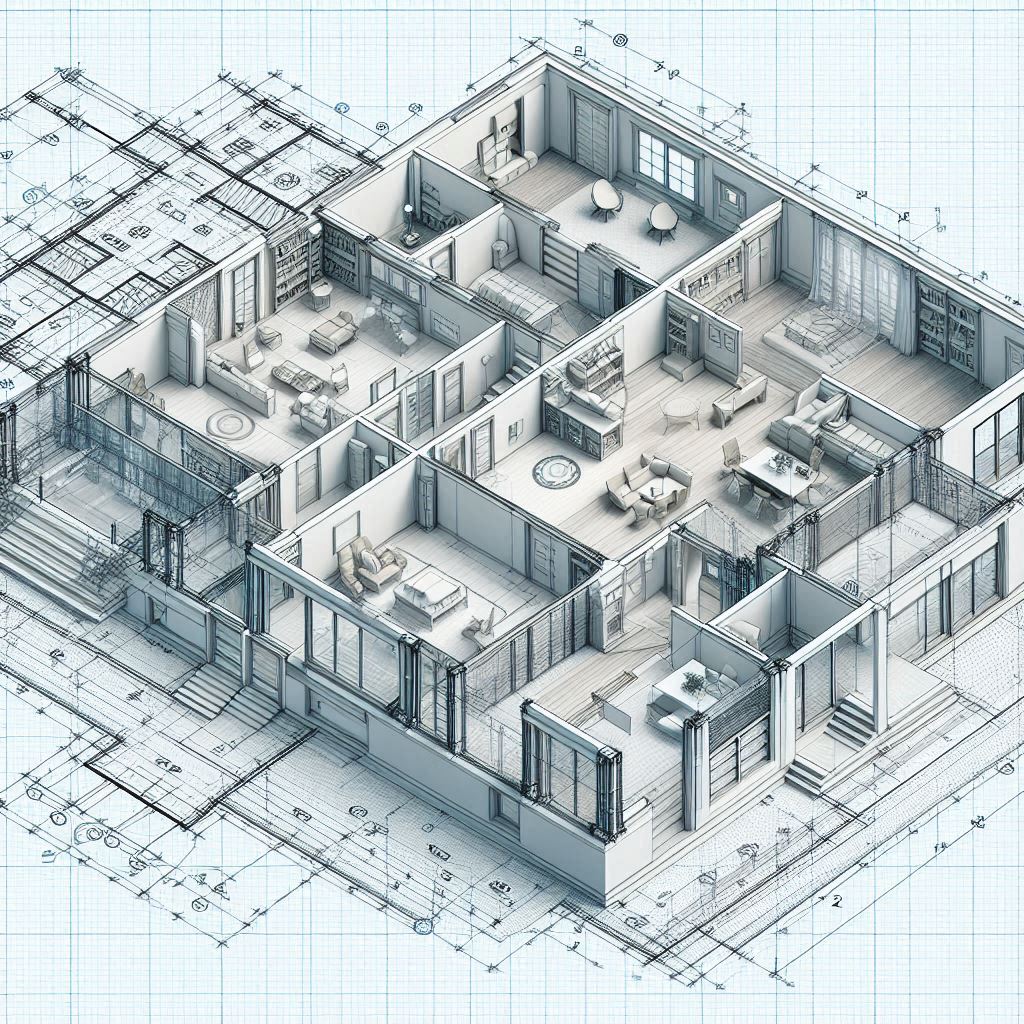
Room sizes are one of the most strictly enforced HMO regulations in the UK. Get your measurements wrong by even a few centimetres and you could face civil penalties up to £30,000, criminal prosecution, and orders to stop using the room entirely.
This guide explains the national minimum standards, how ceiling heights affect your usable floor area, and the common measurement mistakes that catch landlords out.
Quick Navigation
- The Legal Minimum Room Sizes
- How Ceiling Height Affects Floor Area
- How to Measure Room Sizes Correctly
- Local Authority Variations
- Room Sizes and HMO Licensing
- What Happens If Rooms Are Too Small
- Planning Your HMO Layout
- Room Size Checklist
The Legal Minimum Room Sizes
The Licensing of Houses in Multiple Occupation (Mandatory Conditions of Licences) (England) Regulations 2018 set out the national minimum sleeping room sizes for HMOs.
National Minimum Standards
| Room Occupancy | Minimum Floor Area |
|---|---|
| One person aged 10 or over | 6.51m² |
| Two persons aged 10 or over | 10.22m² |
| One child under 10 | 4.64m² |
These are absolute minimums. You cannot license a room that falls below these thresholds, regardless of any other factors.
What These Numbers Mean in Practice
6.51m² for a single room is roughly 2.55m x 2.55m—about the size of a small box room. This will fit a single bed, small wardrobe, and desk, but with very little space to spare.
10.22m²for a double room is approximately 3.2m x 3.2m. This allows for a double bed, storage, and some living space, though it's still compact.
In practice, rooms at the bare minimum are difficult to let at good rents and tend to have higher tenant turnover. Aiming for at least 8m² for single rooms and 12m² for doubles makes commercial sense as well as compliance sense.
These Are Sleeping Room Standards Only
The 6.51m² and 10.22m² figures apply specifically to sleeping accommodation. They don't include:
- Kitchens or cooking areas
- Bathrooms or en-suites
- Living rooms or communal spaces
- Storage rooms or utility areas
If a bedroom includes an en-suite bathroom, only the sleeping area counts toward the minimum—you cannot include the en-suite floor space in your calculation.
How Ceiling Height Affects Floor Area
This is where many HMO conversions fail compliance. The regulations state that any floor area where the ceiling height is less than 1.5 metres cannot be counted toward the minimum room size.
The 1.5m Rule
If your room has sloped ceilings, eaves, or any area where someone cannot stand upright, that floor space doesn't count. This primarily affects:
- Loft conversions
- Attic rooms
- Rooms under stairs
- Properties with dormer windows
- Rooms with unusual architectural features
Practical Example
Consider a loft room that measures 4m x 3.5m (14m² total floor area). The ceiling slopes on both sides, and the area where you can stand fully upright (over 1.5m) measures only 3m x 2m.
Your usable floor area is 6m²—below the 6.51m² minimum for a single person.
This room cannot be licensed as sleeping accommodation, despite having 14m² of actual floor space.
Measuring Under Sloped Ceilings
To measure correctly:
- Identify all areas where the ceiling height is 1.5m or above
- Mark these boundaries on the floor
- Measure only the floor area within these boundaries
- This is your usable floor area for licensing purposes
Common mistake: Landlords often measure the full floor area and assume it qualifies. Council inspectors will measure at 1.5m height and exclude areas below this threshold.
How to Measure Room Sizes Correctly
Accurate measurement is essential. Here's how to do it properly.
What to Include
Your room measurement should include:
- All floor area where ceiling height exceeds 1.5m
- Built-in wardrobes (if they're part of the original room)
- Bay window floor areas
- Alcoves and recesses
What to Exclude
Do not include in your measurement:
- Any floor area where ceiling height is below 1.5m
- En-suite bathrooms or shower rooms
- Hallways or entrance lobbies within the room
- Cupboards accessed from outside the room
- Any shared spaces
Step-by-Step Measurement Process
- Clear the room — Remove furniture so you can access all areas
- Check ceiling heights — Use a tape measure or laser measure at multiple points
- Mark exclusion zones — Identify areas below 1.5m ceiling height
- Measure the qualifying area — Take length and width measurements
- Calculate floor area — For rectangular rooms, multiply length by width
- Document everything — Take photos and keep written records
Dealing with Irregular Rooms
For L-shaped rooms or rooms with alcoves:
- Break the room into rectangular sections
- Measure each section separately
- Add the sections together for total floor area
- Remember to exclude any areas below 1.5m ceiling height
Accuracy Matters
Measure to the nearest centimetre. A room measuring 2.54m x 2.56m gives you 6.50m²—one centimetre short of the 6.51m² minimum. That single centimetre means the room fails compliance.
Always round down, not up. If you're borderline, assume you don't qualify—it's better to design around the constraint than to hope the council's tape measure is generous.
Local Authority Variations
While national minimums apply across England, many local authorities set higher standards in their licensing conditions. You must comply with whichever standard is higher.
Common Local Variations
Some councils require:
- Larger minimum room sizes — Some specify 7m² or 7.5m² for single rooms
- Minimum room dimensions — Not just floor area, but minimum width (e.g., 2m minimum in any direction)
- Higher standards for shared rooms — Stricter requirements for rooms occupied by more than one person
- Additional space for cooking facilities — Extra floor area if the room contains a kitchenette
Examples of Stricter Standards
Manchester: Requires 6.51m² minimum but recommends 10m² for single rooms with cooking facilities.
Birmingham: Some licensing schemes specify minimum room widths as well as floor areas.
London Boroughs: Many London councils have adopted standards exceeding national minimums, particularly for larger HMOs.
How to Find Your Local Requirements
- Check your council's HMO licensing conditions
- Request the council's HMO amenity standards document
- Ask the HMO licensing team directly if standards aren't published
- Review any Article 4 direction requirements in your area
Always verify local requirements before finalising your HMO layout. Designing to national minimums may leave you non-compliant with local standards.
Room Sizes and HMO Licensing
Room sizes directly affect your ability to license your HMO and how many occupants you can accommodate.
Mandatory Licence Conditions
Every HMO licence includes conditions specifying:
- Maximum number of occupants per room
- Maximum total occupants for the property
- Which rooms can be used as sleeping accommodation
If your licence says "Room 3: Maximum 1 person" and someone measures the room at 6.4m², you're in breach of your licence conditions—even if you only have one person in there.
The Licence Application Process
During licence application, you'll need to:
- Provide floor plans showing all room dimensions
- Confirm which rooms will be used as sleeping accommodation
- State the intended occupancy for each room
- The council will verify measurements during inspection
What If Your Measurements Differ from the Council's?
Council environmental health officers measure rooms as part of the licensing inspection. If their measurements differ from yours:
- Their measurements take precedence
- You may need to reduce stated occupancy
- Your licence may specify fewer rooms than you intended
- In worst cases, rooms may be excluded from the licence entirely
Room Sizes Affect Property Value
An HMO licensed for six occupants is worth more than one licensed for four. If undersized rooms reduce your licensed capacity, this directly impacts:
- Rental income potential
- Property valuation
- Mortgage options
- Future sale price
What Happens If Rooms Are Too Small
Operating an HMO with undersized rooms carries serious consequences.
Civil Penalties
Local authorities can issue civil penalties up to £30,000 for housing offences, including:
- Breaching licence conditions regarding room sizes
- Overcrowding (allowing more occupants than the room size permits)
- Providing false information on licence applications
Criminal Prosecution
More serious cases can result in criminal prosecution with:
- Unlimited fines in magistrates' court
- Up to two years imprisonment for repeat offenders
- Criminal record affecting future licensing applications
Overcrowding Notices
If a council determines rooms are overcrowded, they can serve an overcrowding notice requiring you to:
- Reduce the number of occupants
- Stop using specific rooms for sleeping
- Make physical changes to increase room sizes
Failure to comply with an overcrowding notice is a criminal offence.
Licence Revocation
Persistent room size breaches can result in:
- Licence revocation
- Refusal to grant future licences
- Rent repayment orders (tenants reclaiming up to 12 months' rent)
- Management orders (council takes over management)
The Real Cost of Getting It Wrong
Consider this scenario: You convert a property into a 6-bed HMO, but two rooms measure 6.3m² instead of 6.51m². The council:
- Issues an improvement notice requiring room enlargement or closure
- Reduces your licence to 4 occupants
- You lose £1,200/month in rental income
- The property purchase no longer stacks financially
- You may face a civil penalty on top
The cost of proper measurement and design upfront is always less than the cost of getting it wrong.
Planning Your HMO Layout
If you're converting a property to an HMO or building new, here's how to approach room sizing.
Start with More Than the Minimum
Design rooms to exceed minimum standards by a comfortable margin:
| Occupancy | Legal Minimum | Recommended Minimum |
|---|---|---|
| Single room | 6.51m² | 8-9m² |
| Double room | 10.22m² | 12-14m² |
This gives you:
- Buffer against measurement discrepancies
- Better tenant appeal and lower voids
- Higher achievable rents
- Flexibility if regulations tighten
Consider the Whole Room Layout
A room that technically meets the minimum may still be impractical:
- Can you fit a bed, wardrobe, and desk?
- Is there circulation space around furniture?
- Can the door open fully without hitting furniture?
- Is there natural light and ventilation?
Factor in En-Suites
Adding en-suites increases rental value but reduces usable bedroom space. If you're adding an en-suite:
- The en-suite floor area doesn't count toward bedroom minimum
- Budget at least 2.5-3m² for a functional en-suite
- A 10m² room with a 3m² en-suite leaves only 7m² sleeping area
- This is fine for a single but not for a double
Work with Existing Architecture
Before committing to a property purchase:
- Get accurate room measurements
- Identify all areas affected by ceiling height restrictions
- Calculate realistic usable floor areas
- Determine maximum licensable occupancy
- Run the numbers based on achievable occupancy, not hoped-for occupancy
Room Size Checklist
Use this checklist when assessing or planning your HMO rooms.
Before Purchase or Conversion
- Measured all potential bedroom floor areas
- Identified areas below 1.5m ceiling height
- Calculated usable floor area for each room
- Checked local authority minimum standards
- Confirmed each room meets or exceeds minimums
- Determined realistic maximum occupancy
- Financial projections based on confirmed occupancy
During Design and Build
- Floor plans show accurate room dimensions
- En-suite areas clearly separated from bedroom areas
- Room layouts allow for practical furniture placement
- No rooms relying on borderline measurements
- Built-in storage doesn't reduce usable floor area
- Ceiling heights maintained throughout (especially in lofts)
Before Licensing Application
- All rooms independently measured and verified
- Measurements documented with photos
- Floor plans updated to reflect actual dimensions
- Intended occupancy within legal limits for each room
- Local authority variations incorporated
- Contingency plan if council measurements differ
Ongoing Compliance
- Licence conditions displayed in property
- Occupancy per room matches licence conditions
- No additional occupants beyond licensed numbers
- Room use hasn't changed since licensing
- Records kept of any property modifications
The Bottom Line
Room sizes fundamentally affect your HMO's viability. An undersized room isn't just a compliance issue—it's lost income, reduced property value, and potential legal problems.
The smart approach: measure properly before you buy, check your council's specific standards (not just national minimums), and design rooms that tenants actually want to live in. Scraping the minimum rarely makes commercial sense.
If you're planning a conversion and want to get the layout right from the start, we can help.
This guide was last updated in January 2026. Room size regulations can change, and local authority standards vary. Always verify current requirements with your local council's HMO licensing team.
Related Articles
Continue exploring these related topics

HMO Licensing: Step-by-Step Application Guide
Complete guide to HMO licensing in the UK. Learn when you need a licence, how to apply, what it costs, and what happens if you operate without one.

HMO Fire Safety Requirements: Complete 2026 Guide
HMO fire safety regulations: fire doors, alarms, risk assessments, escape routes, and compliance requirements for UK landlords.
HMO Kitchen Requirements: Size, Equipment & Standards
Complete guide to HMO kitchen requirements in the UK. Covers minimum sizes, equipment ratios, worktop space, storage, and local authority standards.